Why I’m Still Using the Sony A7iii in 2026 (And Why It’s One of the Smartest Cameras You Can Buy)
If you told me back in 2022 that I’d still be actively using the Sony A7iii in 2026—for paid client work, personal projects, and even recommending it to other photographers—I probably would have laughed.
Camera technology moves fast.
Marketing moves even faster.
And yet… here we are.
In a world filled with stacked sensors, AI subject recognition, 8K video specs, and cameras that cost more than a used car, the Sony A7iii continues to quietly (and confidently) earn its place in my camera bag.
This isn’t nostalgia.
This isn’t brand loyalty.
This is real-world, professional experience.
I’ve used flagship bodies. I’ve tested newer releases. I’ve shot alongside photographers using the latest gear from Sony, Nikon, and Canon. And after more than a decade as a professional photographer—and thousands of client images delivered—I keep coming back to the same conclusion:
The Sony A7iii is still one of the best all-around full-frame cameras ever made.
This article explains why I’m still using it in 2026, how it holds up against newer cameras, and why—especially today—it might be the smartest photography investment you can make.
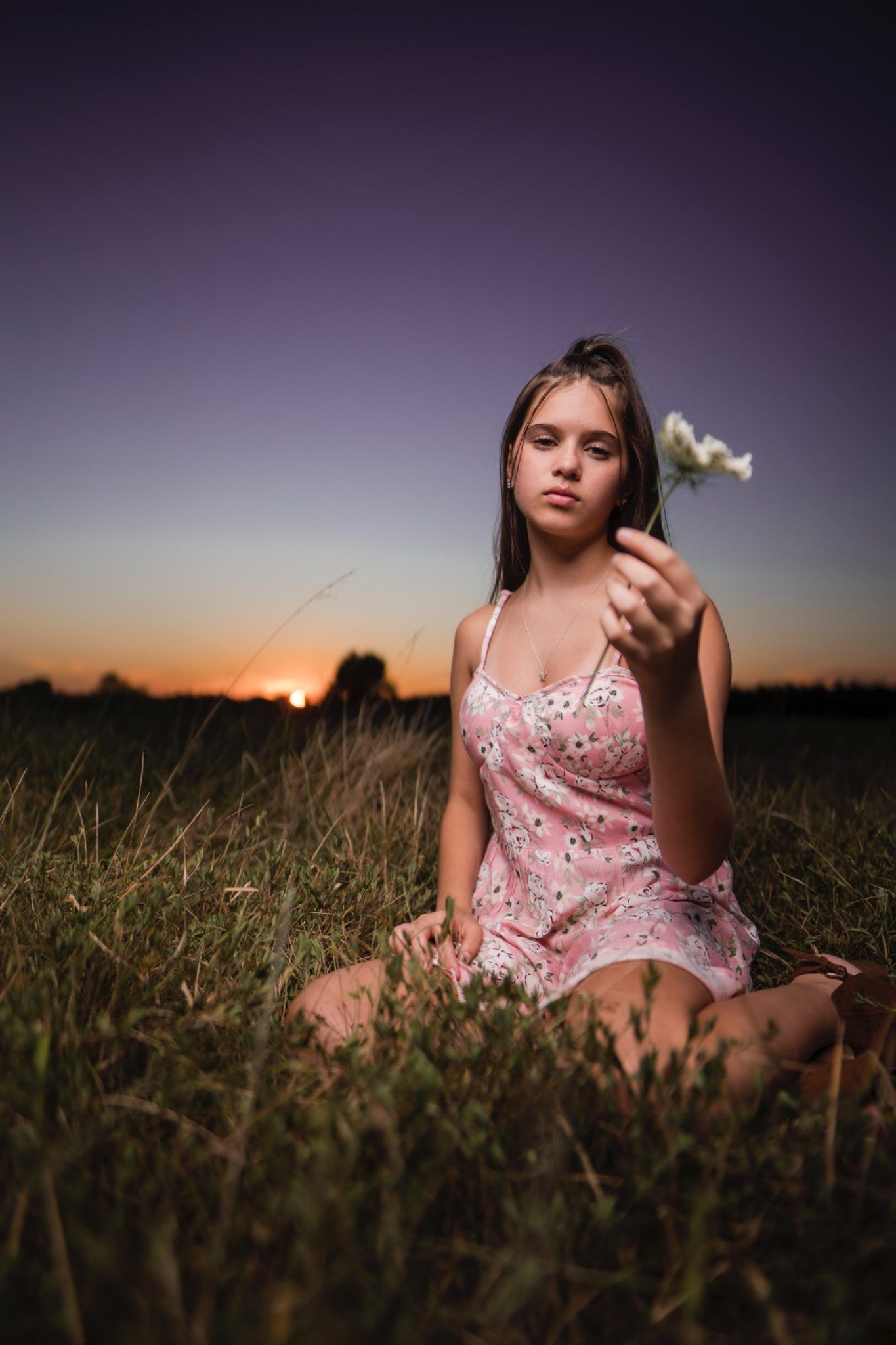
Portrait photo captured with the Sony A7iii showing natural skin tones and smooth background blur at sunset
Why I’m Using the Sony A7iii in 2026
Let’s start with the short answer:
Because it still delivers exceptional image quality, reliable autofocus, excellent low-light performance, access to one of the best lens ecosystems ever created, and does all of it at a price that makes modern camera marketing look borderline absurd.
But that’s just the surface.
Let’s break this down the way photographers actually experience cameras—in the field, under pressure, with real clients and real expectations
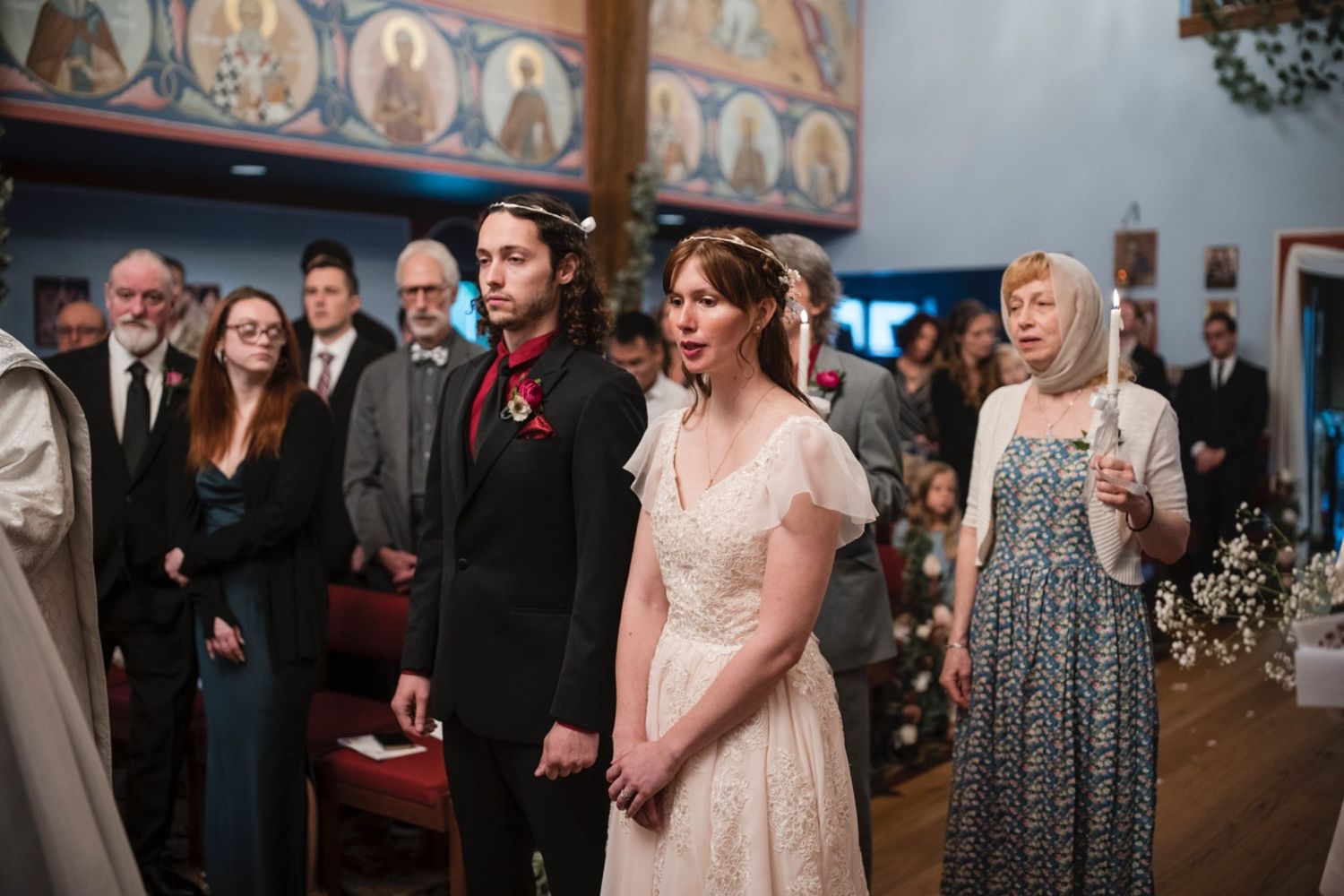
Indoor wedding ceremony photographed with the Sony A7iii using available light and accurate color
Amazing Image Quality That Still Competes in 2026
Dynamic Range That Refuses to Age
The first thing that continues to impress me about the Sony A7iii—even years after its release—is how forgiving the files are.
The dynamic range is outstanding.
Highlights roll off smoothly.
Shadows retain detail that shouldn’t be there.
Recovery latitude remains exceptional even by modern standards.
As a working photographer, this matters more than almost any spec sheet bullet point.
When I’m photographing:
- Weddings with harsh midday sun
- Portraits with mixed lighting
- Indoor events with unpredictable exposure
- Landscapes at sunrise or sunset
…the Sony A7iii gives me files that bend instead of break.
I can underexpose slightly to protect highlights and still lift shadows without ugly banding or color degradation. I can pull back skies. I can recover detail in dark suits and black dresses. I can save moments that would otherwise be lost.
That flexibility translates directly into:
- Faster editing
- Fewer missed shots
- More consistent results for clients
And in 2026, that matters more than ever.
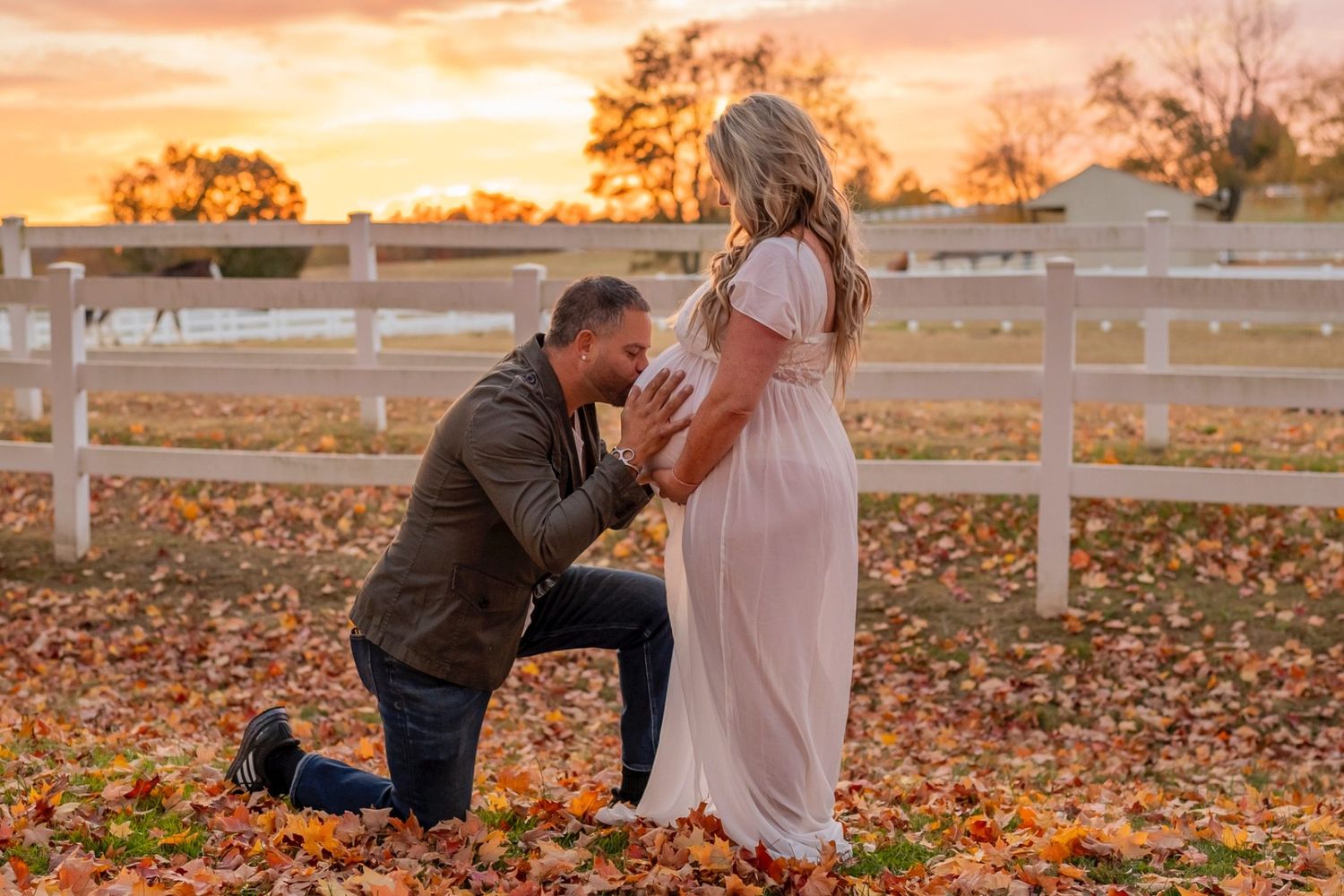
Maternity portrait photographed with the Sony A7iii during golden hour in autumn
Insane Sharpness
One of the most underrated aspects of the Sony A7iii is how sharp it is straight out of the camera.
Images are:
- Crisp without feeling clinical
- Detailed without looking artificial
- Sharp without aggressive sharpening
Pair this sensor with a quality lens—even a mid-range prime—and the level of detail rivals cameras released many years later.
For portrait work, this means:
- Hair detail is rendered beautifully
- Eyes pop naturally
- Skin texture remains realistic
For landscapes and architecture:
- Fine textures hold together
- Distant details stay clean
- Micro-contrast is excellent
And no—you don’t need 60 megapixels to create professional images that clients love.
You need usable, clean, flexible files.
That’s exactly what the Sony A7iii delivers.

Fun engagement portrait photographed with the Sony A7iii in an indoor arcade setting
Low-Light Performance: Where the A7iii Still Shines
High ISO That Actually Looks Good
Low-light performance is one of the main reasons I continue to trust the Sony A7iii for professional work.
Even in 2026, shooting at ISO 3200–6400 on this camera is completely usable—and often excellent.
Noise is:
- Fine-grained rather than blotchy
- Easy to clean up in post
- Not destructive to color or detail
This is especially important for:
- Wedding receptions
- Indoor events
- Concerts
- Lifestyle and documentary photography
I don’t need to baby the ISO. I don’t need to stress about losing image quality the moment the sun goes down.
I can focus on the moment instead of the settings.

High school cheerleading action photographed with the Sony A7iii freezing motion indoors
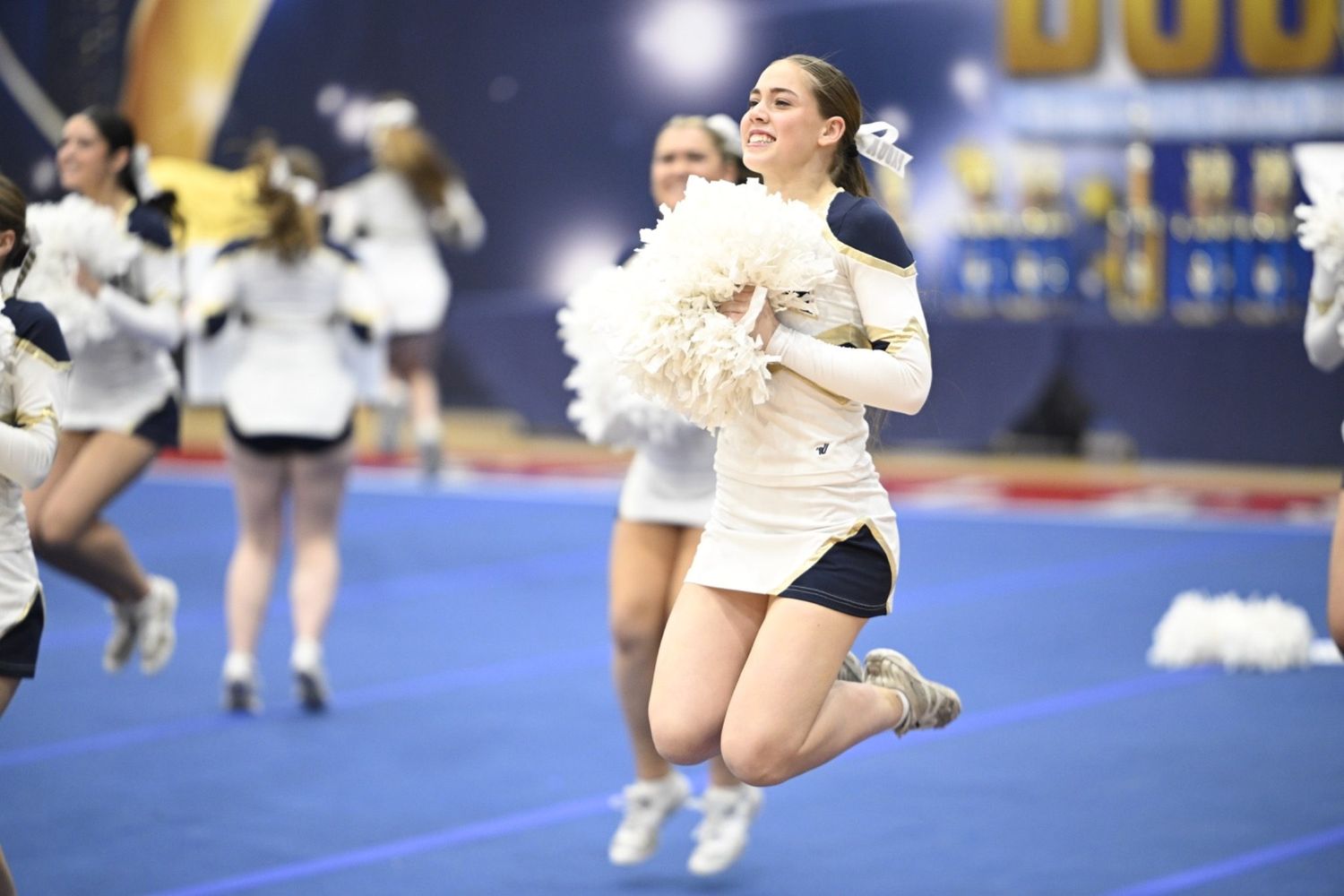
Competitive cheerleading routine photographed with the Nikon z6iii capturing mid air movement
Sony A7iii vs Nikon Z6 III in Low Light
I’ve shot side-by-side comparisons between the Sony A7iii and newer cameras like the Nikon Z6 III, which uses a modern sensor with impressive specs.
Here’s the honest truth:
At high ISO, the difference is minimal.
Yes, newer cameras have incremental improvements.
Yes, autofocus tracking might be smarter.
Yes, video specs are more advanced.
But when you’re looking at:
- ISO 6400 files
- Properly exposed images
- Real-world prints and client deliverables
…the noise levels are remarkably similar.
That’s a testament to how far ahead of its time the Sony A7iii sensor was—and still is.

Dramatic night engagement portrait photographed with the Sony A7iii using off camera flash and Sigma 14-24 2.8 lens
Sony E-Mount Is a Photographer’s Dream
If there’s one area where Sony completely changed the industry, it’s lens ecosystem support.
By 2026, the Sony E-mount has become the most versatile full-frame lens system available.
You have access to:
- Premium Sony G Master lenses
- High-quality Sony G lenses
- Exceptional third-party glass from Sigma, Tamron, Samyang, and others
- Budget-friendly options that don’t sacrifice image quality
Whether you shoot:
- Weddings
- Portraits
- Sports
- Wildlife
- Landscapes
- Street photography
There’s a lens that fits your style and your budget. This is huge—and often overlooked.
Because Sony opened its mount early, third-party manufacturers were able to innovate faster and more affordably.
That means:
- Fast primes at half the price of first-party glass
- Lightweight zooms that perform exceptionally well
- Autofocus lenses that rival native options
The result?
You can build a complete professional kit around the Sony A7iii without spending a fortune.
That’s not something you can say about every system—even in 2026.
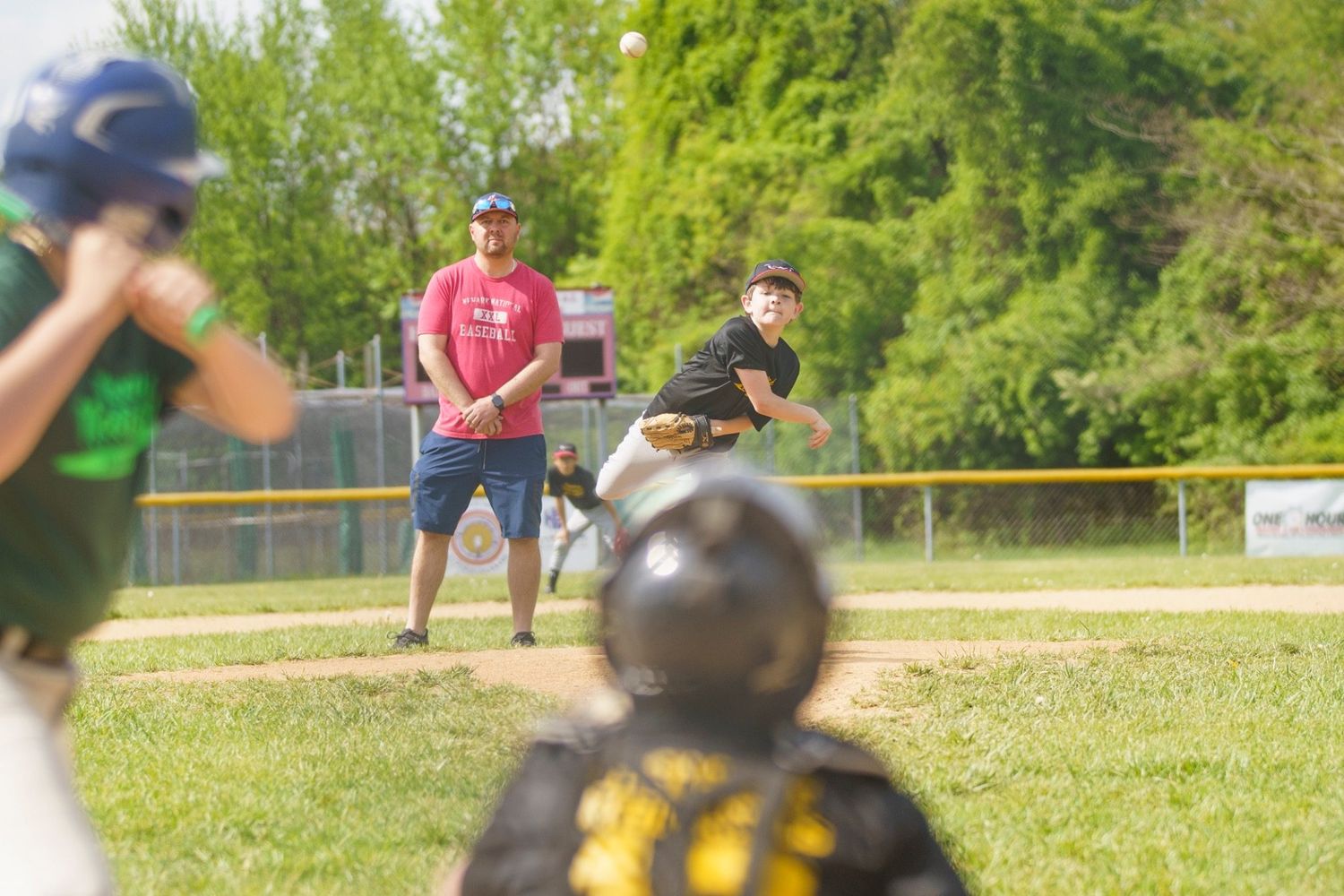
Youth baseball action photo captured with the Sony A7iii freezing motion outdoors
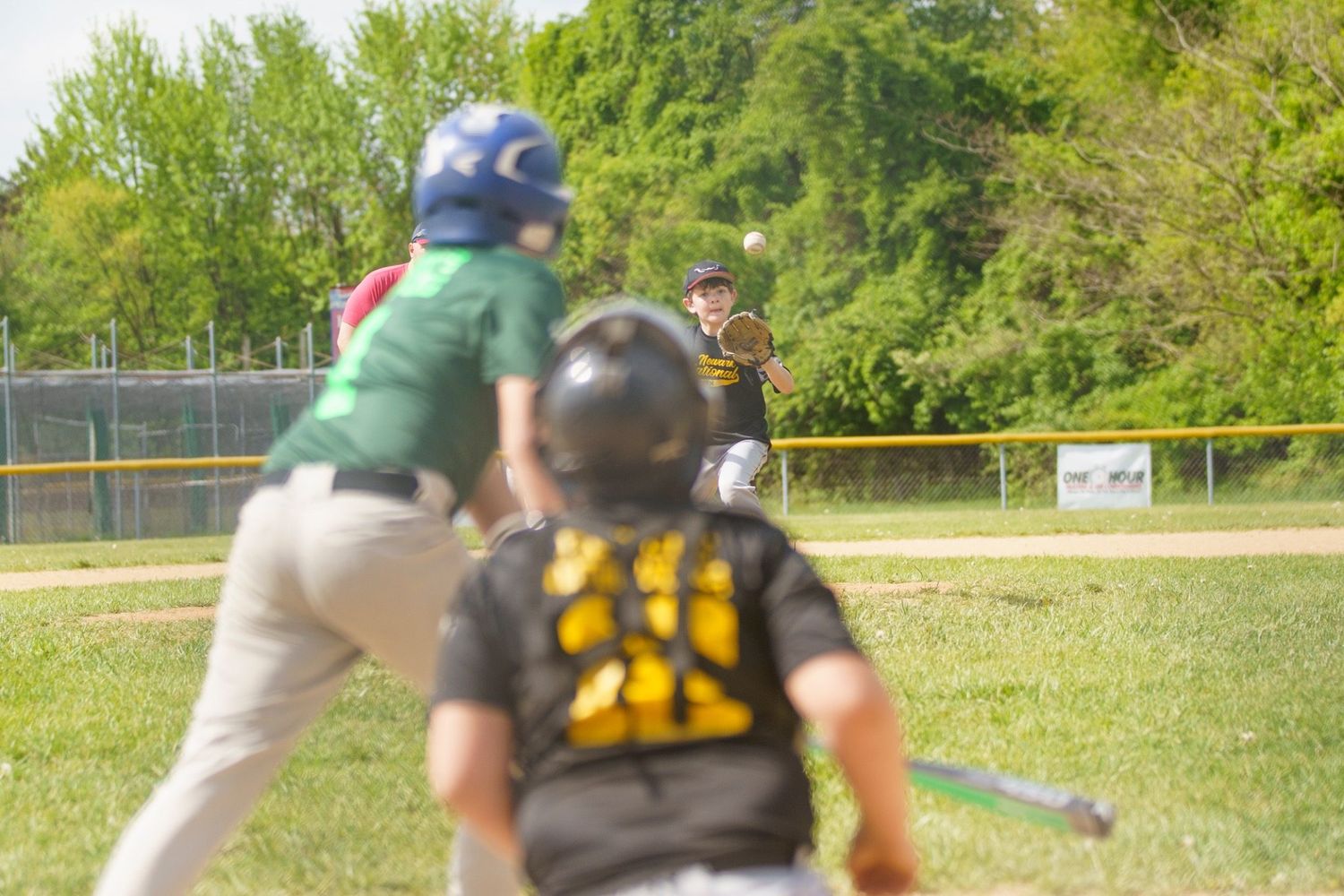
Youth baseball pitcher photographed with the Sony A7iii during live game action
Autofocus: Reliable, Accurate, and Still Excellent
Eye AF That Changed Portrait Photography
Sony’s Eye Autofocus wasn’t just a feature—it was a shift.
The Sony A7iii introduced reliable Eye AF to a much wider audience, and it remains incredibly effective today.
For portraits:
- Eyes are sharp consistently
- Focus errors are dramatically reduced
- I can shoot wider apertures with confidence
This alone has saved me countless missed shots over the years.
Not Perfect for Sports—But Still Very Capable
Let’s be honest.
The Sony A7iii isn’t a dedicated sports camera.
If you’re shooting:
Professional football
Fast motorsports
Olympic-level action
There are better tools.
But for:
Youth sports
High school athletics
Casual action photography
…the A7iii performs very well—especially when paired with back-button focus and proper AF settings.
Again, this is about real-world usability, not chasing spec sheets.

Child portrait with Santa photographed using the Sony A7iii showing accurate color and sharp detail
Affordability: The Best Value Full-Frame Camera in 2026
This is where things get really interesting.
On the used market in 2026, you can often find a Sony A7iii for under $1,000.
Let that sink in.
For less than the cost of many entry-level APS-C cameras, you’re getting:
- A full-frame sensor
- Professional-grade dynamic range
- Excellent low-light performance
- Reliable autofocus
- Access to the best lens ecosystem in the industry
From a value perspective, it’s almost absurd.
Photography isn’t about having the newest camera.
It’s about:
- Knowing your gear
- Delivering consistent results
- Creating images that connect emotionally
The Sony A7iii allows photographers to:
- Spend less on bodies
- Invest more in lenses
- Focus on skill, not specs
That’s a smart move—especially in 2026.
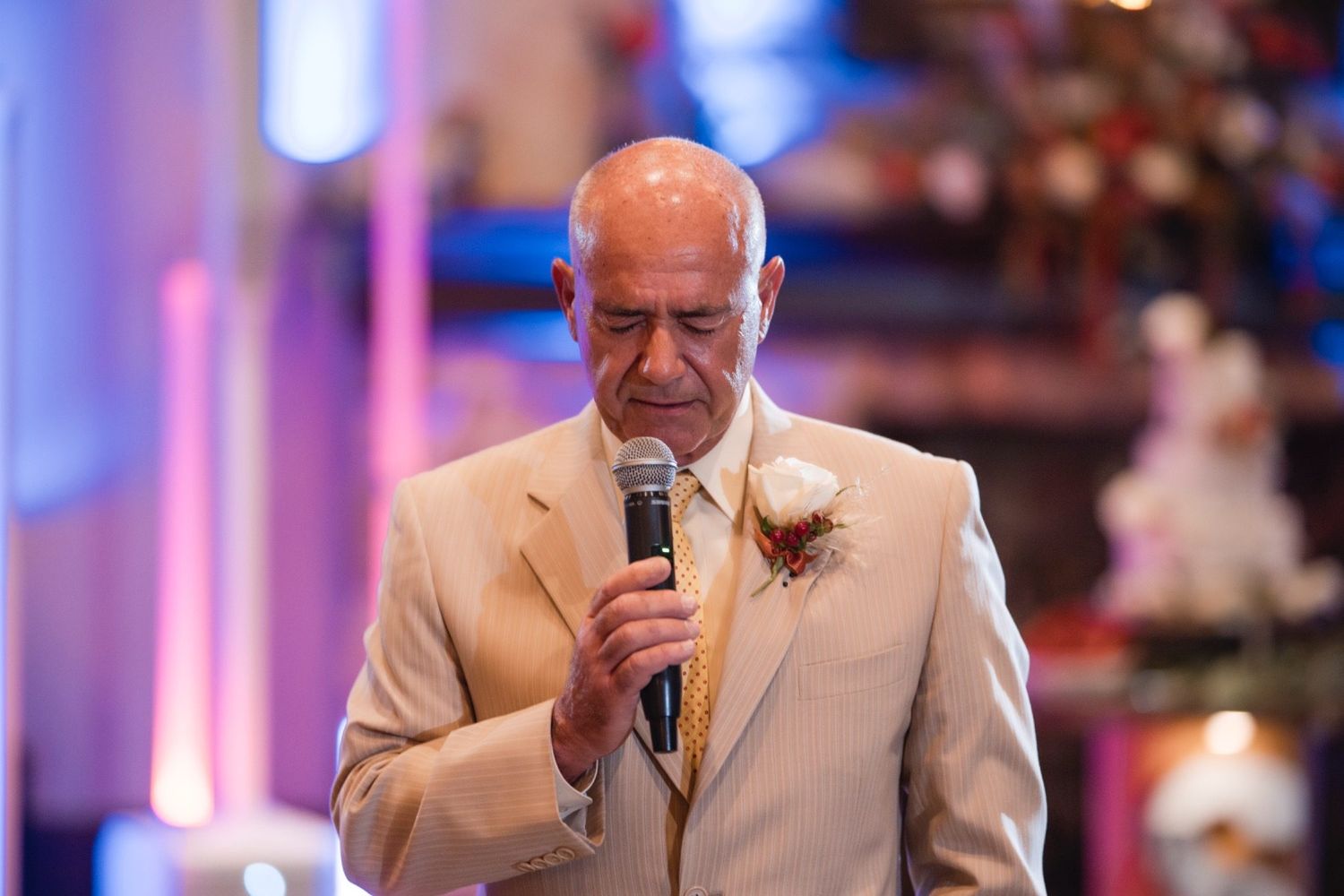
Low light wedding speech photographed with the Sony A7iii demonstrating clean high ISO performance
Why I Trust the Sony A7iii for Professional Work
After years of use, I trust this camera.
I trust it when:
- Clients are waiting
- Light conditions are changing fast
- Moments can’t be repeated
It’s reliable.
It’s predictable.
It gets out of the way.
And honestly? That’s what great tools are supposed to do.

Outdoor child portrait photographed with the Sony A7iii using natural light and background blur
Final Thoughts: The Sony A7iii Is Still a Legend
The Sony A7iii isn’t just “still good for its age.”
It’s still genuinely excellent.
In 2026, it remains:
- One of the best full-frame cameras for photographers
- One of the best values on the used market
- One of the most balanced camera bodies ever made
If you already own one—keep shooting.
If you’re considering one—don’t hesitate.
If you’re tired of chasing specs—this camera will remind you why you started photography in the first place.
Sometimes, the best camera isn’t the newest one.
It’s the one that just keeps delivering.
Like this kind of content? Let us know what you'd like to see!